
Eastern Freeway transport plan to a better future for Melbourne
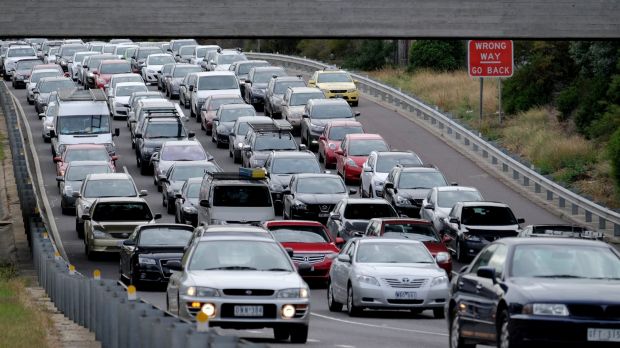
With Melbourne’s population increasing by about 100,000 a year in recent times – annually adding more than the entire citizenry of Ballarat – traffic congestion has become the greatest threat to the state’s economy and the capital’s feted liveability.
The city’s population is forecast to continue surging for decades; Melbourne will have doubled to 8 million people by the middle of the century. It is crucial existing transport problems are mitigated and looming ones anticipated with effective and cost-efficient policies, particularly to expand and improve public transport.
While it is important that current road and rail projects continue, linking up and completing arterial flows, they are hugely costly and will take years to come online.
So, The Age welcomes a proposal by a global transport conglomerate to build and run a rapid bus system. French company Transdev says the project would reinvent public transport in Melbourne’s eastern suburbs. The proposal for a $500 million public-private partnership has been put to the state government under Treasury guidelines established to promote cost-effective infrastructure investments.
The cost is a fraction of the up to $5 billion it is estimated would be required to build Doncaster Rail, an investment that would return a mere 10¢ for every dollar spent. The Transdev pitch follows the same market-led process used by Transurban to secure the West Gate Tunnel project.
Assuming the proposal passes due diligence, it would appear to have considerable merit. Buses are cheaper than trams and trains, and can be deployed immediately, thereby providing quick solutions by getting better use from existing roads. The proposed buses would run every three minutes in peak hour and carry 150 passengers. Most of the hundreds of thousands of cars stuck in the daily peak-hour congestion have but one occupant. Most cars are idle for as much as 95 per cent of the time.
The traffic jams are estimated to be costing the economy $15 billion a year in lost productivity. Were that not bad enough, there are the added social and health costs – spending hour after hour in such a frustrating and agitating situation is demoralising.
Read more: https://goo.gl/ir1lh8